Avian Influenza
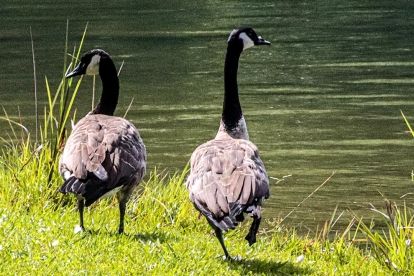
Avian influenza A (H5N1), also known as "bird or avian flu," is a disease that spreads easily and can cause serious illness and death in birds. It can also infect mammals, including humans. Avian influenza is different from seasonal influenza (flu) viruses.
Avian influenza spreads through direct contact with an infected birds or contaminated materials such as water, feed or equipment. Although rare, avian influenza can spread to humans through direct contact with an infected bird or through exposure to an environment with infected poultry, wild birds, livestock species or other animals.
What are the symptoms of avian influenza?
Avian influenza is caused by a different virus than the one that causes the seasonal flu, but some of the symptoms may be similar. Symptoms can range from very mild to severe, including:
- fever
- cough
- sore throat
- runny or stuffy nose
- muscle or body aches
- headaches
- fatigue or tiredness
- conjunctivitis (red eyes)
- shortness of breath or difficulty breathing
Less common symptoms are:
- diarrhea
- nausea
- vomiting
- seizures
If you have symptoms or have been exposed to an infected bird or mammal, you may be eligible for testing.
It is important to tell your health care provider if you have any of these symptoms or if you have been around sick or dead birds or animals in the past 10 days which were suspected or confirmed to have the virus.
Risk to the public remains low
The risk of the spread of avian influenza to people in York Region is low. Personal protection is the best defense.
How to protect yourself from avian influenza:
- Stay away from wild birds
- Keep your pet on a leash to avoid contact with a wild bird
- Avoid contact with domestic birds (poultry) that appear to be sick or have died
- Avoid contact with surfaces that appear to be contaminated with feces (droppings) from wild birds
- Wash hands thoroughly with soap and water immediately after unavoidable contact with birds or their droppings
- Practice safe food handling and cooking practices for poultry and poultry products (eggs), do not feed pets any raw meat from game birds or poultry
- If you see a sick or dead wild bird, do not touch it, or go near it
- Stay off all bodies of water as ice and water conditions are not safe; do not attempt to rescue birds in distress
Frequently asked questions
General Information
What are the signs of avian influenza in birds?
Birds infected with avian influenza may show the following signs:
- Loss or lack of appetite
- Lack of energy or movement
- Lack of coordination
- Decreased egg production
- Swelling around the head, neck and eyes
- Other symptoms such as diarrhea, and sudden death
Avian influenza has an incubation period of two to 14 days in birds (which is the time from when they become infected with the virus to when they show symptoms).
Where do I report a sick or dead animal or bird?
Report any sick or dead animals and birds to your local municipal animal services.
Local Animal Services:
- Aurora, East Gwillimbury and Georgina: 1-877-979-7297
- Markham: 905-415-7531
- Newmarket: 905-895-5193
- King, Richmond Hill, Vaughan: 1-855-227-7297
- Stouffville: 905-640-1900 X:2230
Sick or dead animals and birds will be picked up by local animal services or municipal departments on public property if they are accessible.
Who is monitoring avian influenza in wildlife?
Avian influenza surveillance in wildlife (e.g. tracking birds and animals that have tested positive for avian influenza) is operated through a collaboration between Canadian Food Inspection Agency (CFIA), Environment and Climate Change Canada, and the Canadian Wildlife Health Cooperative (CWHC). Visit the HPAI in wildlife dashboard for more information, including locations of positive wild birds.
Food Safety
Avian influenza and food safety
According to the Canadian Food Inspection Agency (CFIA), there is no evidence to suggest that eating properly cooked poultry or eggs could transmit avian influenza to humans. Practice safe food handling and cooking practices for poultry and poultry products (eggs).
Pasteurized milk and pasteurized milk products remain safe to consume.
Learn more about food safety, avian influenza and how to keep you and your family safe.
Information for Residents
What should I do if I find a sick or dead animal or bird on private property?
If you find a sick or dead animal on your private property, some local municipalities offer sick or dead animal and bird collection services. Contact your local municipal animal service for more information. Sick or dead animals and birds can also be reported to the Canadian Wildlife Health Cooperative.
If collection services in your municipality are not available for a dead animal or bird on your property, follow instructions for safe disposal.
When disposing of dead birds:
- Keep children and pets away from dead birds
- Wear a mask, rubber gloves or protective material (throw away after use)
- Do not touch dead birds with your bare hands
Burial
- Whenever possible bury the dead bird at least two feet deep to prevent animals from digging up the carcass; be mindful of buried lines; Call before you dig
- If available, sprinkle the carcass with hydrated lime to deter scavengers
- After the dead bird is disposed, thoroughly clean and disinfect tools (e.g. shovel) with hot, soapy water and then use a household disinfectant
- Wash your hands thoroughly with warm soapy water
Disposal in Municipal Waste
- Some municipalities will allow the disposal of dead birds in municipal waste
- Check with your local municipality before placing dead birds in municipal waste
- Dead birds should be double bagged, and bags should be sealed
- Wash your hands thoroughly with warm soapy water
What should I do with my bird feeder?
To reduce the spread of avian influenza, consider removing backyard bird feeders and/or bird baths or move them far away from pets or your backyard flock.
Clean bird feeders with 10% bleach at least once every two weeks and then wash hands thoroughly after touching the bird feeder.
What should I do if my pet comes in contact with a dead or sick bird?
Limit contact between pets and birds. Keep dogs on a leash and consider keeping cats indoors to prevent them from coming in contact with a dead or sick bird. Your pets can get avian influenza too.
If you have concerns related to your pet’s health, speak with a veterinarian.
What should I do if I have backyard chickens or ducks?
Your small flocks and pet birds could be at risk of catching avian influenza when wild birds migrate to and through Canada in the spring and fall months, as wild birds naturally carry influenza viruses. Infected wild birds, such as ducks and geese, can spread the disease by direct contact with your birds or by contaminating your birds' environment. This includes ponds, feeders, pen, and your backyard.
- Prevent contact between your backyard flock as well as their water and food sources with wild birds and their droppings
- Frequently clean poultry coops, waterers and feeders
- Wear proper protective gear, including face mask, goggles, gloves, and boots if working with poultry or cleaning their area
- Clean and disinfect your boots and other equipment that came into contact with their droppings
- Wash hands thoroughly with soap and water immediately after unavoidable contact with birds or their droppings
- Spot the signs of avian influenza and report any sick or dead birds from your flock to a veterinarian or the Canadian Flood Inspection Agency (CFIA)
Information for Agricultural Workers
Who is monitoring potential avian influenza cases in poultry and cattle farms?
Federal and provincial agencies including the Canadian Food Inspection Agency (CFIA), Public Health Agency of Canada, Ontario Ministry of Health, OMAFA, and Public Health Ontario are closely monitoring avian influenza and are working with public health units across Ontario to respond to reported cases of avian influenza in poultry and cattle farms.
York Region Public Health will follow-up with any farm/agricultural workers who may have been exposed to avian influenza.
How do I protect myself if I work with wild birds, poultry, or cattle?
Avian influenza infection in humans can potentially occur as a result of exposure to any infected animal or to an environment with infected poultry, wild birds, livestock species or other animals.
Learn about the personal protective equipment (PPE) recommended for Ontario workers at risk of exposure to avian influenza. This information is for workers and employers working with or around poultry, wild birds, or other susceptible species, including livestock.
Resources
- Government of Canada - Avian Influenza
- Government of Canada - Avian Influenza in Wild Birds
- Government of Canada - Status of ongoing avian influenza response by province
- Canadian Centre for Occupational Health and Safety – How to Protect Yourself from Avian Influenza at Work infographic
- Canadian Wildlife Health Cooperative
- CFIA FAQ documents on Avian Influenza
- Ministry of Health - Avian Flu
- Ministry of Health - Recommendation for Personal Protective Equipment for Workers and Employers working with or around poultry, wild birds, or other susceptible species, including livestock
- Public Health Ontario - Avian Influenza
- Ministry of Agriculture, Food and Agribusiness - Mental Health Resources for Farmers
- Avian Biosecurity - Protect Poultry, Prevent Disease
- Cleaning and disinfection process for premises declaration infected with avian influenza