Resilient communities, ready for what comes next
You can't predict every challenge a community will face.
A severe weather event.
A difficult moment in a young person’s life.
Growing pressures on essential infrastructure.
Changing demands on the resources we use every day.
But resilience is not about knowing exactly what will happen next.
It’s about being ready to respond when something does.
Across York Region, readiness is being built in classrooms through community programs and infrastructure residents depend on every day.
For a student, it might start with learning what to do during an emergency. In 2025, more than 6,300 students took part in emergency preparedness education across York Region, building practical knowledge they can draw on when circumstances change unexpectedly. Knowing what to do, where to go and how to respond can replace some of the uncertainty of an emergency with something much more useful: confidence.
Preparation also means developing skills for challenges that are not always visible.

Across 238 schools, York Region Public Health supported mental health and well-being initiatives that help young people develop strategies for navigating stress, change and difficult experiences. These skills don’t eliminate challenges. They give young people more tools to work through them, ask for support and adapt when life doesn’t go according to plan.
While people build their own capacity to adapt, the systems around them need to do the same.
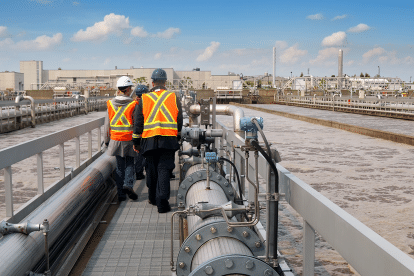
At the Duffin Creek Water Pollution Control Plant, upgrades increased treatment capacity from 520 million to 630 million litres per day. That additional capacity is about more than accommodating what’s needed today. It helps ensure critical infrastructure can continue supporting communities as populations grow and demands change over time.
Resilience can also mean looking differently at the resources we already have.
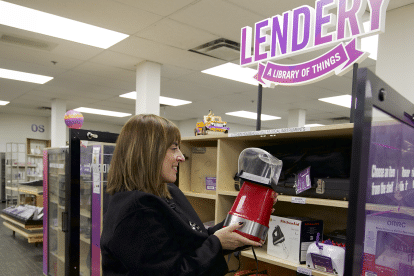
Instead of every household purchasing an item it may only use occasionally, Lenderies give residents opportunities to borrow and share items within their communities. Nearly 7,000 items were borrowed or renewed through Lenderies in 2025, extending the life and usefulness of existing resources while helping reduce waste.
The scale of these efforts may be very different.
A student learning what belongs in an emergency kit.
A young person developing strategies to manage a difficult day.
Infrastructure designed with future demand in mind.
An item borrowed instead of bought and eventually discarded.
But the thinking behind them is connected.
Resilient communities don’t wait for a challenge before thinking about what they’ll need.
They build knowledge. They build capacity. They make better use of what they already have. And they strengthen the systems people will depend on when circumstances change.
Because we may not know exactly what comes next. But we can make sure our communities are better prepared to meet it.
Discover how York Region is building resilience for what comes next at york.ca/RegionalServices