When to call 911
In a serious medical emergency when immediate help is needed, 911 is always the right call.
Examples of medical emergencies include (but are not limited to):
✓ Chest pain or tightness
✓ Choking
✓ Confusion, disorientation or dizziness
✓ Possible broken bones
✓ Sudden severe pain
✓ Shortness of breath or difficulty breathing
✓ Sudden weakness, numbness and/or tingling in the face, arm or leg
✓ Sudden difficulty speaking
✓ Suspected drug overdose
✓ Uncontrollable bleeding
✓ A child with diarrhea and vomiting who won’t eat or drink
✓ A baby under six months with a fever over 38.5°C (101°F)
What Happens When You Call 911
When you call 911, a trained ambulance communications officer will answer and begin assessing the situation right away.
Here’s what to expect:
- You will be asked for your location first
This allows help to be sent quickly. - You will be asked questions about the emergency
These questions help determine the patient’s condition and how urgent the situation is. Stay calm and answer as clearly as possible. - Follow the instructions you are given
The communications officer may guide you through important steps like CPR, helping someone who is choking or keeping the patient safe until paramedics arrive. - Do not hang up unless told to do so
The communications officer may need to gather more information or check on the patient. - Be ready to provide updates
Let the communications officer know if the patient’s condition changes.
Your answers help prioritize the most urgent situations so that the right care is sent at the right time.
If you call 911 and do not speak English, interpretation services are available to help.
How Can I Help While Waiting for Paramedics?
While waiting, it’s helpful to do the following if possible:
- Clear a path to the patient
- Clear cars from the driveway
- Get patient’s medical information and medication (if applicable)
- Secure pets
- Turn on outside lights
- Try to have someone wait out front (if living in an apartment, have someone waiting in the lobby)
- Unlock doors
- Display your house number clearly
Do not move the patient unless their life is threatened.
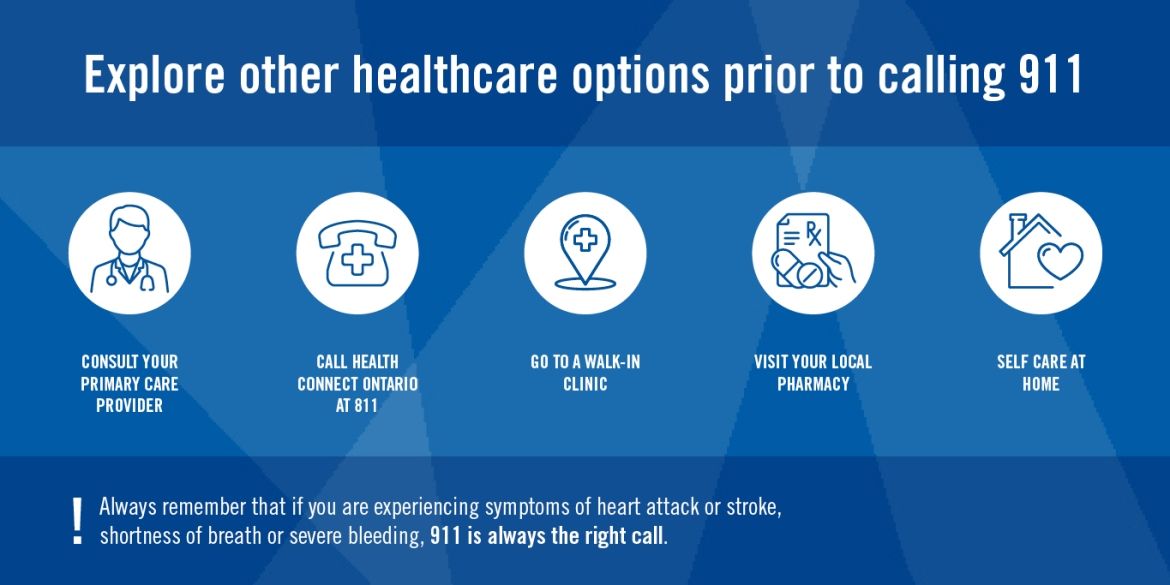
For non-emergencies, there are many other healthcare options for York Region residents.
Medical Priority Dispatch System (MPDS)
The Medical Priority Dispatch System (MPDS) ensures that life-threatening situations are prioritized to receive medical help quickly.
This means callers will be asked a series of questions to assess the patient's condition and determine how urgent the situation is. Life-threatening emergencies such as cardiac arrest, stroke or serious trauma receive the fastest response with paramedics arriving using lights and sirens.
For less urgent conditions, patients may have a longer wait time for an ambulance. Communications officers will continue to monitor patients with follow-up phone calls, and if their condition worsens, the call will be re-prioritized.
It’s important to remember that a longer wait time does not mean your call is not important. Rather, it means paramedics are responding to someone who needs immediate care. York Region paramedics are committed to helping you as quickly as possible.
If the patient's condition changes or worsens at any time, call 911 again immediately.
The expansion of the MPDS is part of the Ontario government’s Your Health plan, to ensure that paramedic services provide the right care at the right time.
Get a Kit. Save a Life.
Calling 911 is critical in emergencies such as a suspected opioid overdose. In addition to responding to these situations, York Region Paramedic Services also work to help prevent overdoses and save lives in the community.
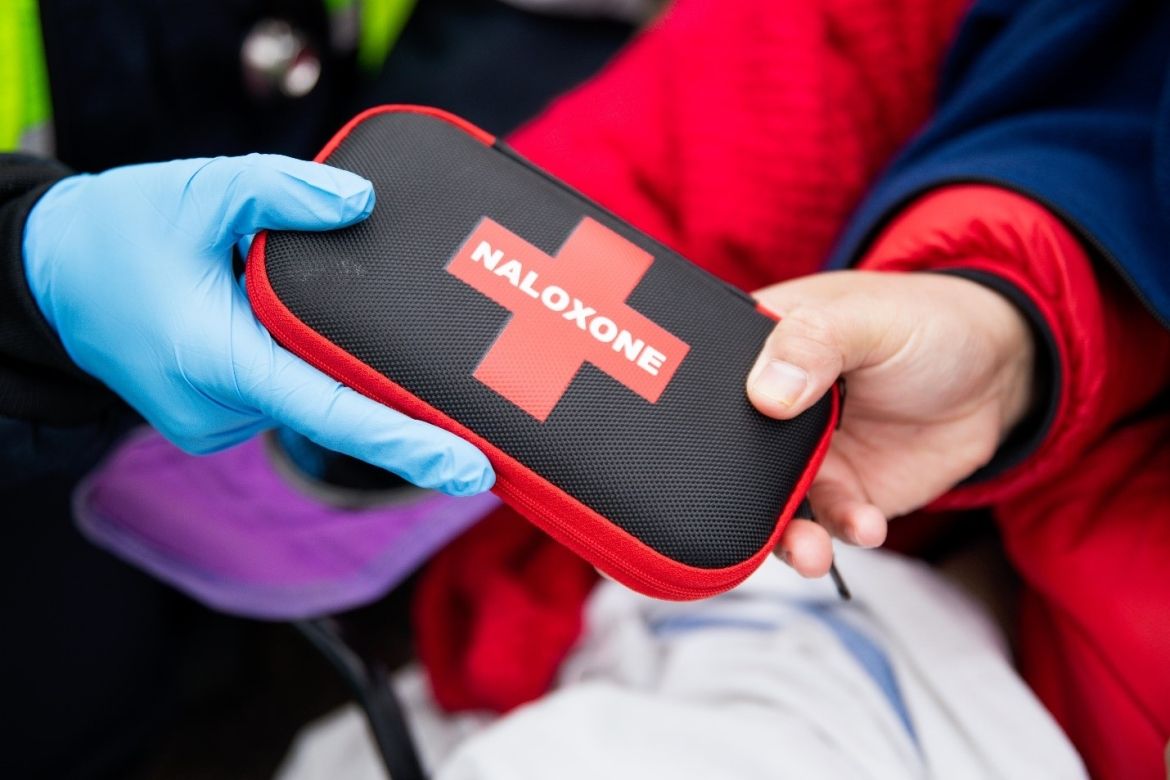
York Region Paramedic Services distributes naloxone kits during 911 calls and through community paramedicine outreach. Paramedics attending an opioid overdose call can provide patients, their family or friends with opioid overdose prevention, response education, naloxone kits and training on how to use them.
Opioid overdose can happen to anyone. If you or someone you know may benefit from having a naloxone kit, they are available at no cost. For more information on opioid use and where to get naloxone, visit york.ca/opioids